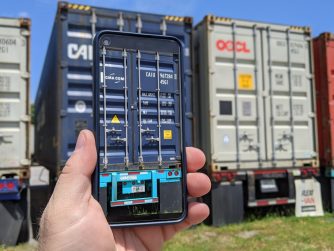


When people talk about supply chains, they often say it all comes down to visibility and control. Visibility has become the industry’s obsession: companies invest in dashboards, sensors and tracking to know where everything is. Data that used to live in silos is now aggregated and broadcast to every screen.
But visibility isn’t the end goal. It’s a means to an end. The hidden assumption is that if you can see something, the data must be good and you must be able to act on it. In reality, poor quality data creates a false sense of visibility. It’s like an airport control tower: radar is foundational, but if the radar is wrong you don’t just get confusion, you lose the ability to control planes safely. In supply chains, bad data destroys control.
More dashboards and notifications don’t fix problems. They often create stress. Without clear ownership and the ability to execute, teams are left staring at red alerts they can’t fix. Visibility exposes problems; control solves them. That’s why so many high-profile supply chain failures are not a lack of visibility but a lack of control.
The path forward is to reconnect visibility to action. We need systems that not only surface problems, but also give us the authority and tools to respond. When you pair high quality, contextual data with the ability to act, control replaces chaos. Visibility isn’t the problem. Control is.


Latest posts by Chris Machut (see all)
- AI Is an Amplifier, Not a Shrink Ray - July 14, 2026
- From Buzz to Blueprint: Two Years on the Road with the Four Pillars of AI - June 17, 2026
- The First AI Shift Has Already Happened - May 12, 2026